The College Essay Breakthrough
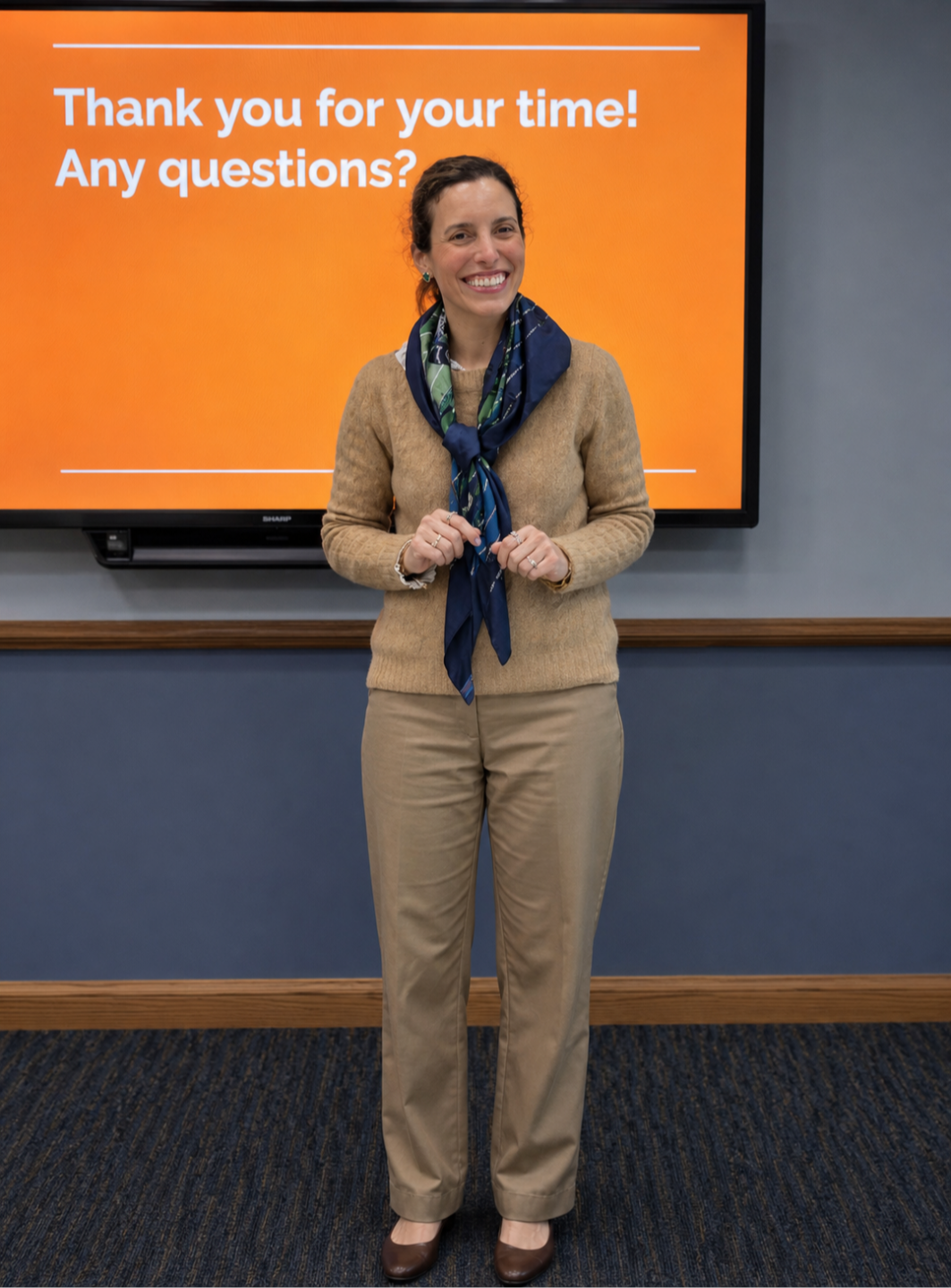
Your transcript tells them what you did. Your essay tells them who you are.
3-day live bootcamp for 11th and 12th grade students
650 words are the only place in the entire application where your child speaks in their own voice, and at selective schools, they're often the difference between "maybe" and "yes." The College Essay Breakthrough is the step-by-step program that turns a blank page into a personal statement admissions officers remember.
We start September 15th — 7:00 PM Miami time
I WANT TO WRITE MY STANDOUT ESSAY
Your transcript shows what you've done.
Your essay reveals who you are.
Colleges receive thousands of applications from students with strong grades, meaningful activities, and big ambitions. The college essay is one of the only places where your child gets to speak in their own voice and help the reader understand what sets them apart.
But knowing the essay matters doesn't make it any easier to write.
Maybe they open a blank document and don't know where to start. Or they already have a draft, but it sounds generic, forced, or too focused on sounding impressive. Maybe they've read articles, watched videos, and heard the advice to "just be authentic" — but no one has actually taught them how to turn a real experience into an essay with structure, depth, and a genuine voice.
If any of this sounds familiar, your child isn't missing a great story. They're missing a process for finding it and building it.
The problem isn't that you don't have anything interesting to say

Does this sound like where you are right now?
You've spent weeks staring at the Common App questions.
The page is still blank — or worse, filled with a draft that sounds exactly like everyone else's.
Getting started feels impossible: You sit down, write three lines, delete them. Every attempt sounds generic, forced, or like you're trying too hard to impress a stranger.
You've already tried what's free: You read the "how to write your college essay" articles. Watched the videos. Maybe even copied a structure that worked for someone else. And still, when you read it back, it doesn't sound like you
No one explains the hard part: Everyone says "just be authentic." No one shows you how to turn an ordinary Tuesday from your real life into 650 words a stranger won't forget. "Be authentic" isn't an instruction — it's a wish.
And underneath it all, the real fear: This is your one shot to be seen as a person instead of a GPA. And you're terrified of wasting it on an essay that's correct, well-written, and completely forgettable.
- You ask every night if they’ve started writing, and the answer is always “I’m working on it.”
- You read a draft and didn’t know what to say—it was well-written and still didn’t sound like your child.
- You offered to help, and the conversation turned into an argument.
- You watch the deadline get closer and have no idea if you’re behind.

Let's be precise about how much the essay actually weighs
The essay matters more than almost anything else, except grades
According to the NACAC national survey, the professional association for college admissions in the U.S. — 56.2% of colleges rate the essay as considerably or moderately important to the admissions decision.
That puts it below grades and curriculum rigor, nothing outranks those. But it puts the essay above extracurricular activities, above recommendation letters, and above SAT and ACT scores.
And that's the national average, including hundreds of schools that admit nearly everyone who applies. At selective colleges — the ones probably on your child's list — the essay carries significantly more weight, because it's part of a holistic review where the whole file is read as one person, not a spreadsheet of numbers.
Why that matters even more this year, not less
More than 9.4 million applications were submitted through the Common App last cycle, from nearly 1.43 million applicants. Each student applied to an average of 6.6 colleges.
On the other side of the desk, that means something very concrete: the admissions reader is looking at mountains of applications that look remarkably alike. Good grades. Good courses. Solid activities. Kind letters.
And this year, more applicants reported test scores again after several years of test-optional policies.
When all the numbers start to look the same, the qualitative side decides more.
In that context, there's exactly one thing in your child's application that no one else can duplicate — their voice. If they know how to use it.
For parents:
The data point that changes the conversation
We don't sell the idea that "the essay makes the difference" as a slogan. We prefer the real number: in the NACAC national survey, the essay ranks above activities, above recommendations, and above test scores in importance, as reported by colleges themselves.
Think of it in terms of what you've already invested. Years of school. Test prep. Activities, tournaments, trips.
The essay costs a fraction of all of that, and it's the last thing left to do. It's not an extra expense at the end of the process — it's the piece that protects everything that came before it.
What happens when the essay gets pushed to "later"
The essay is the only part of the application your child still fully controls. Grades are set. The transcript is written. Other people are already drafting the letters.
What gets lost: At selective schools, thousands of applicants share your child's exact grades. The essay is the tiebreaker. A generic one leaves them qualified, but forgettable.
What builds up: Every week the draft sits unfinished, the pressure rises — and the stress becomes the whole family's problem.
Where it leads: Rushed writing in the final days, playing it safe because there's no time left to take a real risk.
The three decisions that sabotage it: Waiting for inspiration. Editing the same weak topic for weeks. Or handing it to someone else to "fix."
Doing nothing is also a decision.
With the essay, it's usually the most expensive one.
I'm ready to begin →

The College Essay Breakthrough
A guided, step-by-step program that walks your child from blank page to finished Common App personal statement — with a clear method, practical tools, and expert feedback at every stage.
What you gain from the very first module:
Clarity and direction — you'll know exactly what to write about and why, instead of guessing.
Tools you can use immediately — real brainstorming and drafting frameworks you apply as you go, not theory.
Structure you can sustain — a repeatable process that also works for supplemental essays later.
A lasting shift — more confidence, a clearer voice, and the ability to tell your own story well for years to come.
Your investment
Regular price:
Instant access · 7-day guarantee · One-time payment, no subscription
$247
One payment of
$197

For parents:
Why working with someone outside the family works
There's a reason a parent's advice, however good, almost never lands: you're part of the story your child is trying to tell. That makes it impossible for them to hear you with neutrality — and it makes it hard for you to read the essay without protecting the family's version of events.
An outside specialist solves both problems at once. And just as important — I never write the essay. Ever. An essay touched by an adult is surprisingly easy to spot; admissions readers have spent years reading teenagers, and they know exactly what a real one sounds like.
My job is to ask the right questions until your child finds what was already there. And then teach them how to write it themselves.

These are real words from students I've worked with.
"Annabella helped me polish my writing so exceptionally well that it became a better version of my own voice. She helped me understand my best options and got me excited and confident about getting into the best schools."
— P.B., admitted student to Carnegie Mellon.
"One of her best qualities is the way she teaches you to write and structure essays. She's passionate, professional, and transmits calm and confidence when you need it most."
— T.B., admitted student to Yale.
"Annabella helped me so much with the application process, especially writing the essays. Her feedback took my essays to an excellent level."
— A.M.G., admitted student to the University of Florida.
"I would not have been able to get into my dream school without her experience and diligent effort to help me succeed."
— S.S., admitted student to Northwestern University.
FAQ
From students
What grade should I be in?
How much time will this take me?
Does Annabella actually review my essay?
Does this work if I already have a draft?
Does the same essay work for every college?
How long does it need to be?
Can I use AI to write it?
My English isn't perfect. Is that a problem?
Can I write about my identity, about being Latino or an immigrant?
FAQ
From parents
Do you write or edit my child's essay?
What's my role as a parent?
How do I know my child will actually do the work?
My child already has a school counselor. Does this overlap?
Does this guarantee admission?
What if we enroll and it's not the right fit?
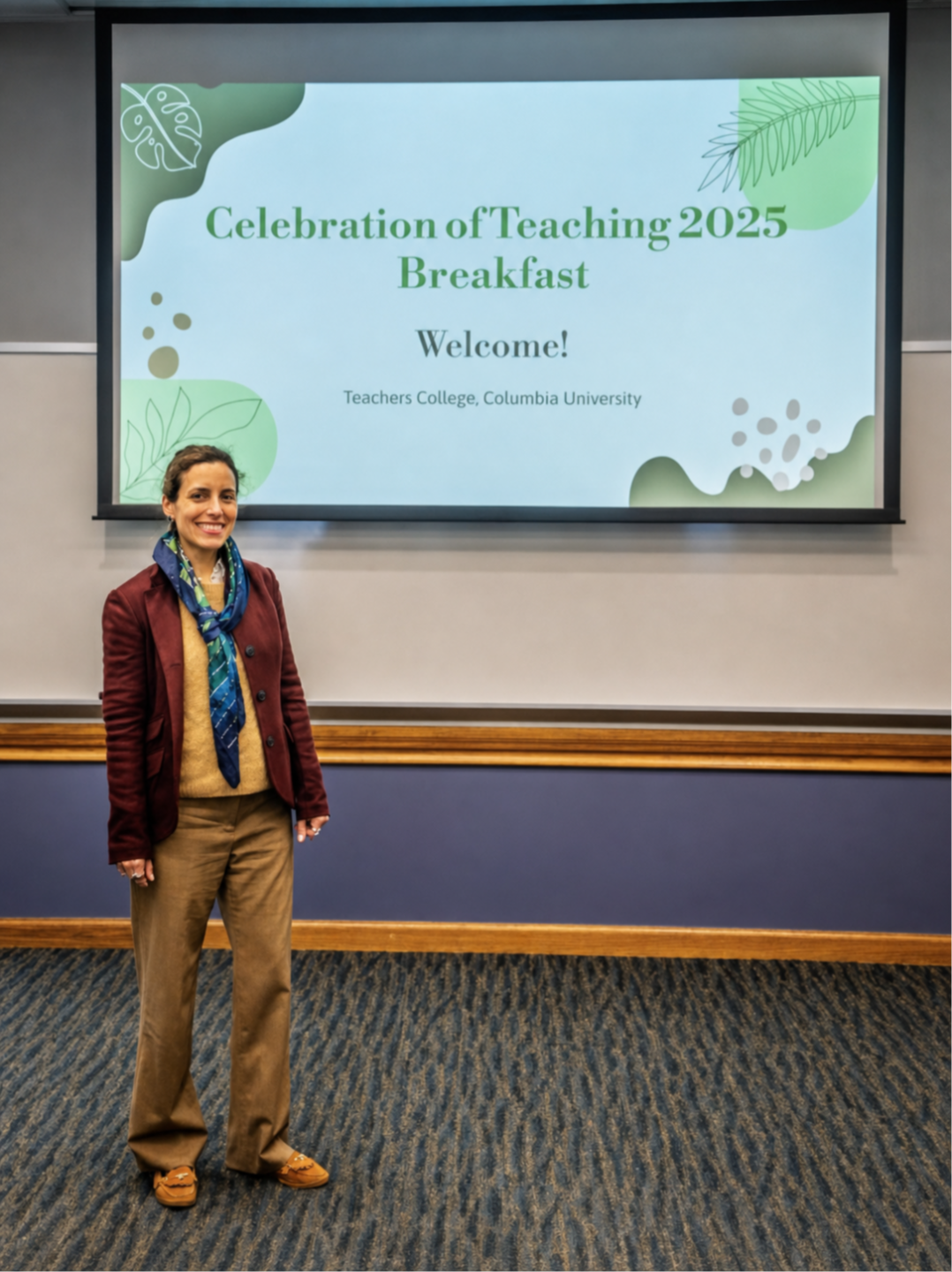
Your story is already enough.
It just needs to be written well.
No one has a shortage-of-material problem. Everyone has a filtering problem — and that filter screens out exactly what admissions readers want to read, because it's calibrated to impress, and they're not interested in being impressed. They're interested in getting to know you.
That's fixable. It takes a few weeks and a method.
ENTER THE PROGRAMWE'RE HERE FOR YOU
Any questions about joining the program?
Message us on WhatsApp 📞 (561) 376-9030 · or email [email protected] and my team will help you with whatever you need.
I WANT IT!